The Latest Health Queries: A Red Spot, Bruises, and the Unanswered Questions
As former President Donald Trump approaches his 80th birthday, public scrutiny of his health has once again intensified. Beyond the usual discourse surrounding a prominent political figure's physical well-being, recent observations have sparked a fresh wave of speculation. Foremost among these is an unmistakable red spot on his neck, which, following previous concerns over unusual bruising on his hands, has brought the perennial question of transparency in presidential health back into sharp focus. The silence from medical officials regarding the underlying causes of these visible ailments has only fueled the discussion, leading many to ponder the full scope of his health status.
The Red Neck Spot: A New Chapter in Health Speculation
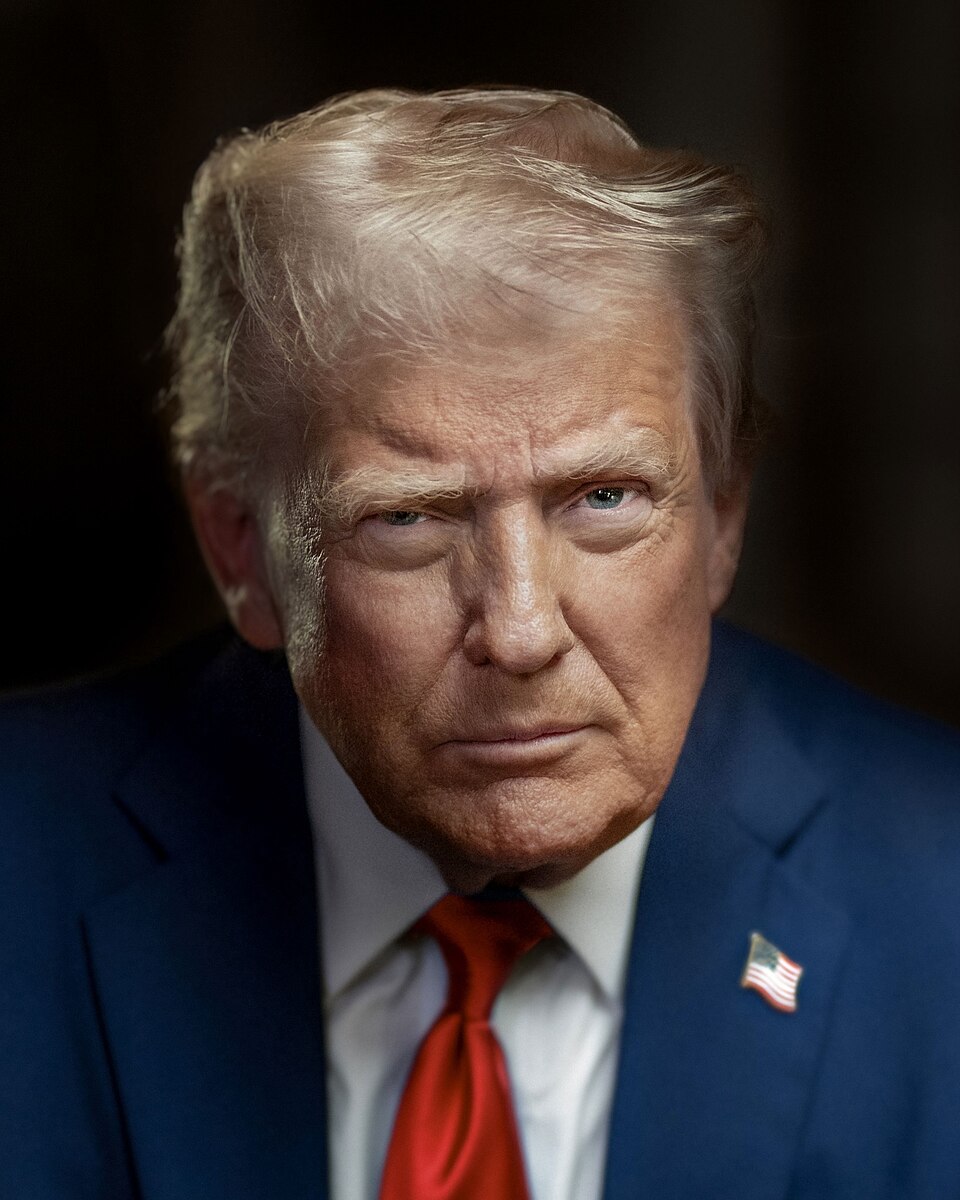
In recent public appearances, a prominent reddish area on Donald Trump’s right neck has drawn considerable attention. What appears to be a skin irritation or rash has quickly become a topic of widespread commentary, adding to the ongoing debate about his fitness for office as he eyes a potential return to the White House. The official explanation, as relayed by the White House, attributed the spot to a "common cream to prevent skin irritation," prescribed by Dr. Sean Barbabella, Trump’s physician. While a cream was acknowledged, the specific reason for the irritation itself – the crucial 'why' – was conspicuously absent from the official statement. This lack of detail leaves ample room for interpretation and raises questions about why Trump's doctor remains silent on the primary cause.
According to the statement, the former president has been using the cream for about a week, with the redness expected to persist for several more weeks. While skin irritations are common, especially in older adults, the vagueness surrounding this particular spot has naturally invited further scrutiny. Common causes of such redness can range from simple chafing or allergic reactions to more complex dermatological conditions. Without a clear diagnosis, the public is left to connect the dots, often relying on unofficial observations and past patterns of communication.
A Recurring Pattern of Ambiguity: Previous Health Concerns and Explanations
The recent red neck spot is not an isolated incident but rather the latest in a series of health-related observations that have been met with less-than-detailed explanations. Over the years, Donald Trump's medical team and spokespersons have frequently provided sparse, vague, or overly optimistic accounts of his health. This history makes the current situation even more salient.
- Mysterious Hand Bruises: Previously, noticeable blue marks and bruising on Trump's hands prompted various explanations. Initially, staff suggested they were due to his vigorous handshakes. Later, Trump himself began to conceal them with makeup. When a similar bruise appeared on his left hand more recently, he attributed it to hitting his hand on a table and taking aspirin. While aspirin can indeed thin the blood and increase bruising, especially in older individuals with thinner skin, the inconsistent explanations did little to quell public curiosity.
- Leg Swelling: Observers have also noted frequent swelling in Trump's legs. This condition was officially attributed to chronic venous insufficiency, a common condition where leg veins struggle to return blood to the heart. While this is a recognized medical issue, it often requires ongoing management and can sometimes be a symptom of broader circulatory concerns.
- "Moments of Relaxation": Videos from public engagements have occasionally shown Trump with his eyes closed, leading some to suggest he was falling asleep. The former president vehemently denied these claims, asserting they were merely moments of relaxation or boredom. Such instances, while not directly medical, contribute to the public's perception of his overall energy and stamina.
These incidents, coupled with the latest neck rash, form a consistent narrative where observed health issues are addressed with minimal specific information, leaving the public to speculate. For a more detailed look into this pattern, read Trump's Health: A Decade of Vague Medical Explanations.
Medical Transparency for Public Figures: More Than Just Personal Health
The health of a head of state or a presidential candidate is inherently a matter of public interest, extending beyond mere personal privacy. The physical and mental fitness required for the immense responsibilities of such a role makes medical transparency a critical component of public trust. When official medical statements are perceived as incomplete or evasive, it can erode confidence and fuel skepticism.
For over a decade, the "New York Times" has criticized the pattern of brief, vague, or overly positive health declarations from Trump's medical advisors. These statements have often painted a picture of extraordinary vitality, sometimes in stark contrast to public observations. For instance, his longtime personal physician, Harold Bornstein, famously declared Trump "the healthiest individual ever elected to the presidency" in late 2015. Similarly, White House physician Ronny Jackson claimed in 2018 that Trump could live to 200 with a better diet.
More recently, Dr. Sean Barbabella, after a comprehensive check-up at Walter Reed National Military Medical Center, stated that Trump enjoyed "excellent health" and possessed "the heart and vascular system of a 65-year-old," despite being 79 at the time. He praised Trump's "strong physical capabilities" and "unremarkable" lab results, metabolism, blood values, and heart/lung function. While such assessments sound reassuring, they often gloss over specific, visible concerns like rashes and bruises, prompting questions about the depth of information shared with the public. To understand this contrast, delve into Trump's Health: 'Heart of 65' Amid Skin Rashes and Bruises.
The inherent tension lies between a public figure's right to privacy and the public's right to be fully informed about the health of their leaders. When Trump's doctor is silent on specific ailments or offers only partial explanations, it creates a vacuum that is inevitably filled by conjecture.
Understanding Skin Health and Effective Medical Communication
From a general health perspective, understanding the cause of skin irritations is crucial, not just treating the symptom. While a cream can alleviate discomfort, identifying and addressing the root cause prevents recurrence and ensures long-term skin health. For instance, simple contact dermatitis might be resolved by avoiding an allergen, whereas a fungal infection would require specific antifungal treatment. Without a disclosed cause, the public wonders if the explanation is truly benign or if something more significant is being downplayed.
Practical Tips for Skin Health:
- Identify Triggers: Pay attention to what might be causing irritation – new products, fabrics, environmental factors.
- Moisturize Regularly: Keeps the skin barrier healthy, especially for mature skin.
- Protect from Sun: UV radiation can exacerbate many skin conditions and is a major cause of aging and irritation.
- Consult a Dermatologist: For persistent or unexplained rashes, professional medical advice is always best to get an accurate diagnosis and treatment plan.
From a communications standpoint, effective medical transparency involves more than just issuing a press release. It requires clarity, consistency, and a willingness to address specific concerns. While a patient's privacy is paramount, for a figure of presidential stature, the line between private health and public interest often blurs. When officials address visible health concerns like a prominent rash with only a partial explanation, it naturally leads to increased speculation and less public confidence.
Conclusion
The appearance of a significant red spot on Donald Trump's neck, alongside a history of vague explanations for other health observations like hand bruises and leg swelling, continues to fuel public discussion about his health. As he approaches a significant milestone birthday and potentially another demanding presidential campaign, the demand for clearer, more comprehensive medical information is likely to intensify. The recurring theme of "trumps arzt schweigt" – Trump's doctor remaining silent on crucial details – underscores a broader challenge in balancing patient privacy with the public's right to know about the well-being of its leaders. Ultimately, greater transparency from medical officials would not only provide clarity but also help to build trust and allow the public to make informed judgments about the fitness of their potential commanders-in-chief.