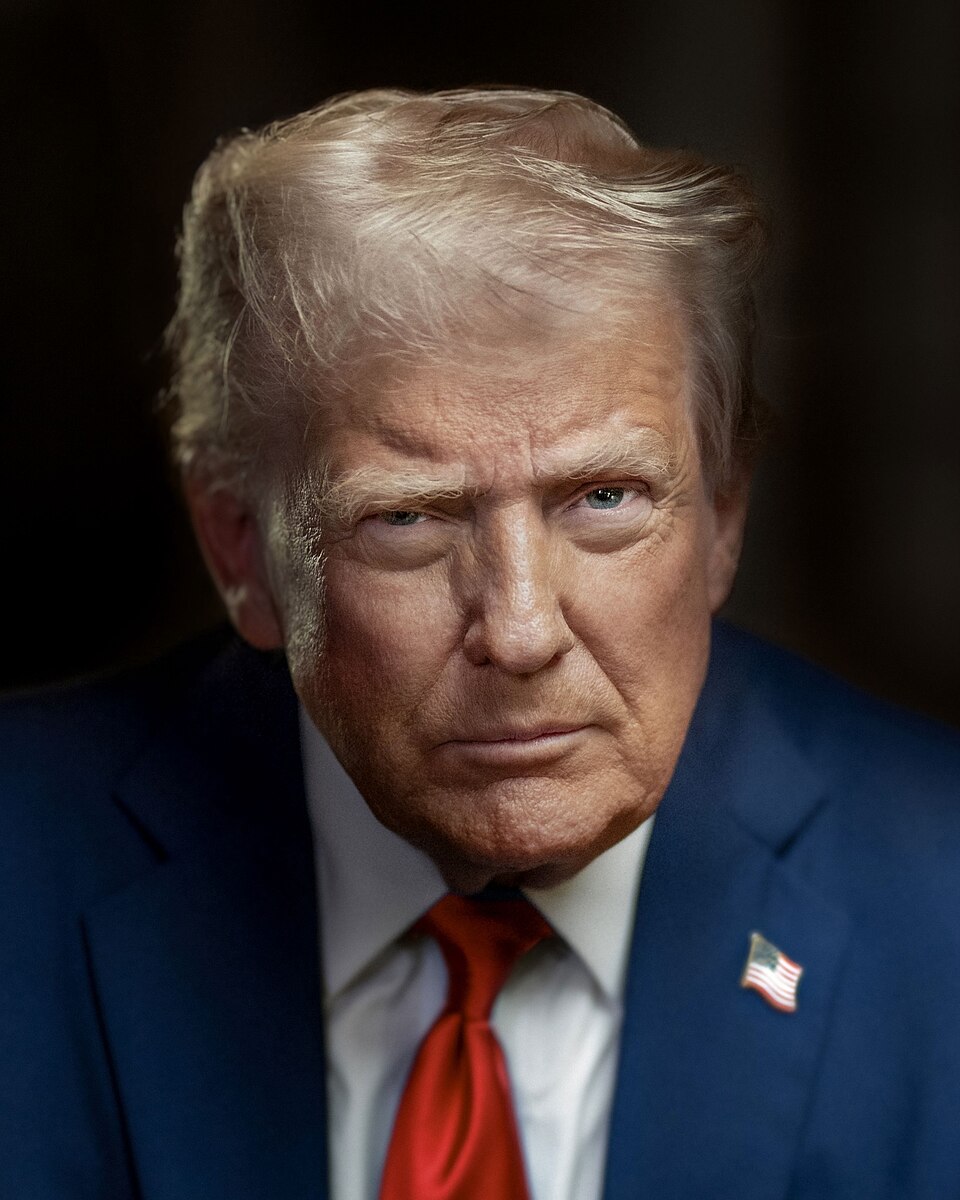
Trump's Health: A Decade of Vague Medical Explanations
The health of a presidential candidate, and certainly a sitting or former president, is a matter of intense public interest. As Donald Trump approaches his 80th birthday in June, questions surrounding his physical well-being have once again come to the forefront, fueled by visible health concerns and a recurring pattern of ambiguous medical explanations spanning over a decade. From glowing, almost fantastical pronouncements to the recent silence surrounding a prominent neck rash, the narrative around Trump's health has consistently been anything but transparent. This article delves into the various health reports and observations, exploring the implications of the consistent lack of detailed information from his medical team.
Recent Health Scares and the Persistent Silence from Trump's Doctor
Recent observations of Donald Trump have ignited fresh speculation regarding his health. A noticeable red patch on his neck, resembling a skin rash, garnered significant media attention, prompting an official, albeit vague, explanation. According to the White House, the former president was applying a common cream to prevent skin irritation, prescribed by his personal physician, Sean Barbabella. However,
Trump's Red Neck Spot: Doctor Silent on Rashes and Health. The statement confirmed the use of the cream for about a week, with the redness expected to persist for several more, but crucially, it offered no explanation for the underlying cause of the irritation itself. This kind of reticence from Trump's medical team has become a familiar theme, often leaving more questions than answers.
This recent incident mirrors previous concerns about bruises on Trump's hands. Initially, staff attributed blue marks on his right hand to his famously firm handshake. Later, he began to conceal them with makeup. When a similar bruise appeared on his left hand more recently, the then-79-year-old attributed it to bumping his hand on a table and taking aspirin. Such varied and sometimes contradictory explanations have only fueled public skepticism and highlighted a pattern where the doctor's silence regarding specific medical conditions often gives way to less-than-definitive statements.
A History of Dubious Declarations and Generalizations
The pattern of vague or overly optimistic health reports is not new. For over a decade, Trump, his physicians, and advisors have offered explanations that the New York Times has characterized as brief, nebulous, or overly flattering. This trend began long before his presidency. In late 2015, his long-time personal physician, Harold Bornstein, famously declared Trump to be "the healthiest individual ever elected to the presidency." Later, in 2018, White House physician Ronny Jackson claimed that with a better diet, Trump "could live to be 200 years old," a statement that raised eyebrows given its hyperbolic nature.
More recently, after a comprehensive health check-up, Trump's current physician, Sean Barbabella, issued a report claiming that the former president enjoys "excellent health." The report, released by the White House, stated that Trump's heart and vascular system resembled that of a 65-year-old, despite him being 79. It highlighted "exceptionally good laboratory values," "strong physical performance," and "unremarkable" metabolic, blood, heart, lung, and neurological functions. Barbabella also downplayed previous speculations about bruises and venous problems, stating they were harmless and related to handshakes and medication. However, these broad positive statements, while reassuring on the surface, often lack the granular detail that would fully address public concerns, especially when juxtaposed with visible conditions like skin rashes and bruises.
Trump's Health: 'Heart of 65' Amid Skin Rashes and Bruises explores these contrasts further.
Beyond the specific incidents, other observations have contributed to the ongoing health narrative. Trump has frequently been observed with swollen legs, which his doctors and advisors attributed to chronic venous insufficiency. This condition arises when veins struggle to return blood efficiently to the heart. On numerous occasions, videos from public appearances have shown Trump with closed eyes, leading to suggestions he might have dozed off. He has vehemently denied these claims, attributing the moments to relaxation or boredom. The consistency of these specific observations against a backdrop of generalized positive health reports from his physicians underlines the challenges of gaining full medical transparency.
The Importance of Transparency in Presidential Health
For any public figure, particularly a national leader, health is a critical concern, impacting not just their individual well-being but also national security and public confidence. The health of a president is not merely a private matter; it's a public trust. Citizens rely on their leaders to be physically and mentally capable of handling immense pressure and making crucial decisions. When explanations are vague, inconsistent, or lack detail, it can erode trust and foster speculation, potentially distracting from governance itself.
Why Medical Transparency Matters for Leaders:
- Public Confidence: Clear, verifiable health reports reassure the public about a leader's capacity to serve effectively.
- National Security: A president's health directly impacts their ability to respond to crises, make sound judgments, and withstand the rigors of office.
- Succession Planning: In unforeseen circumstances, a transparent medical history can aid in smooth transitions of power.
- Accountability: Leaders are accountable to their constituents, and this extends to their fitness for the highest office.
The reluctance or inability of "trumps arzt schweigt" (Trump's doctors to speak clearly) about specific ailments creates a void often filled by rumors and conjecture. While medical privacy is a right, for a president, there's a delicate balance between personal privacy and the public's right to know.
Navigating Age and Public Office: A Universal Challenge
Donald Trump's age places him among the oldest individuals to seek and hold the presidency. As leaders age in office, health concerns naturally become more prevalent. It's a universal challenge, not unique to Trump. Many world leaders continue to serve effectively into their seventies and eighties, but it necessitates careful health management and, ideally, open communication.
General Tips for Maintaining Health in Later Life (applicable to anyone, including leaders):
- Regular Medical Check-ups: Essential for early detection and management of age-related conditions.
- Balanced Diet: Crucial for energy, cognitive function, and preventing chronic diseases.
- Physical Activity: Regular, appropriate exercise helps maintain cardiovascular health, mobility, and mental well-being.
- Stress Management: High-pressure roles like the presidency demand effective coping mechanisms for stress.
- Adequate Sleep: Rest is vital for cognitive function and overall health.
- Hydration and Skin Care: Simple measures, like the cream Trump uses, can manage common issues, but understanding underlying causes is always beneficial.
The focus should be on managing conditions proactively and communicating their implications clearly, rather than minimizing or obscuring them. For conditions like chronic venous insufficiency, proper medical management, including compression stockings, elevation, and possibly lifestyle changes, is key to preventing complications.
Conclusion: The Enduring Quest for Clarity
The narrative surrounding Donald Trump's health is a complex tapestry woven from official medical reports, public observations, and a consistent pattern of vague or highly generalized explanations from his medical team. As he contemplates future political endeavors, the questions surrounding his physical well-being are unlikely to subside. The recurring instances of the doctor's silence regarding specific health issues, from neck rashes to hand bruises, contrasted with broad declarations of excellent health, underscores a deeper issue of transparency. While a president's health is a deeply personal matter, its implications for governance and public trust are profound. Ultimately, the desire for clear, unambiguous information regarding the health of a national leader remains a fundamental expectation of an informed citizenry.